Many people are wary of the term "Pest Control" because of the negative associations it evokes. After all, seeing one pest in your home can give you a gastrointestinal upset. But just because you kill one pest doesn't mean that you won't see any more. A single pest could be carrying a horrible disease. So, when in doubt, call a pest control service right away. This way, you can avoid paying exorbitant prices for pest control services in the future.Biological control is another effective alternative to pesticides. It uses a predator that naturally targets the pests. This will reduce the pest population in the area and also disrupt the natural food chain. In addition, you can see a reduction in pest populations when the predator changes targets. This kind of control is also greener than the chemical approach. However, some people are wary of introducing a new species of predator to their home.
In this way, you'll be saving money and preserving the ecosystem.Chemical pesticides are also problematic. In addition to contaminating soil, water, turf, and vegetation, pesticides are also toxic to other organisms. The chemicals used for pest control are also toxic to beneficial insects and plants. Some chemicals are toxic to humans, and they can even be fatal if used incorrectly. If you're considering using alternative pest control methods, it's important to understand the risks and side effects of each method.The use of organic products in the production of food is another option. Organic pesticides are natural and pose fewer health risks than synthetic products. However, you should consider the cost and the environmental impact of pesticides. Many people find that organic pesticides are less expensive than chemical products, but they can also be more effective in the long run. Choosing an environmentally friendly method will ensure a safe environment for your family. They also have the added benefit of being environmentally friendly.Another type of pesticide is called an emulsifier.
This type of pesticide is soluble in a solvent and slowly releases its toxic properties into the surrounding environment. They're also packed in spray cans and are ready to use right away. Fogging machines are a great way to use these pesticides. These devices spray large amounts of pesticide over a large area, ensuring that they'll be effective.Cockroaches are common household pests, and their presence can exacerbate asthma and allergy symptoms. While their presence may not cause any physical damage, cockroach bites can trigger severe allergies and itch all over the body. This is why it's vital to have a professional pest control service take care of these pesky creatures. In addition to bed bugs, spiders and mosquitoes are also common pests, and they are dangerous to humans and pets. They can also carry disease and cause allergic reactions.
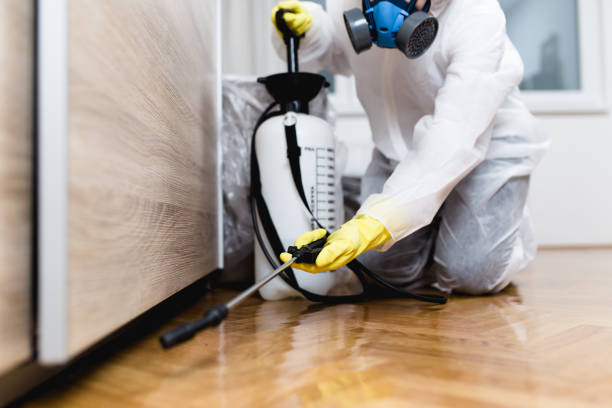
A proper pest control plan will include a variety of methods to combat the problem. Some pests are constant, while others are seasonal. In either case, you should be aware of what you're dealing with, and take the necessary precautions to avoid recurrence. Listed below are a few methods of pest control that you can try. If you're facing a pest infestation, you can start by scouting for signs of infestation.If you're treating a property yourself, you can apply insecticides to areas that mice and other pests frequent, including corners, nooks, and foundations. When you use these products, be sure to wear gloves and avoid touching surfaces without proper protection. Also, keep in mind that these products contain a high concentration of chemicals, which can be harmful if ingested, inhaled, or absorbed through the skin.If you've found signs of infestation, it's important to store all of your food in airtight containers. Thin plastics are easy for pests to chew through, so make sure yours are thick and airtight. If you can't avoid pest control completely, you can store your food in a refrigerator, which must be unplugged before treatment. Pets should be kept indoors or left at a friend's house, since pesticides can cause sensitivity in pets.
If you can't get rid of the problem, consider getting a flea and tick treatment from your veterinarian.Luckily, there are still ways to control pests without the use of dangerous chemicals. Baits are a good way to control pests, and many of them have low toxicity levels. You can also use crack and crevice treatments and baits, which are safe to use on your home. When using a chemical like this, be sure to read the label and make sure to follow all instructions to the letter. Remember, pesticides are highly toxic to bees, so be sure to follow all safety warnings.Another type of pest control is sterile. When an individual pest enters a building, the workers use various methods to eliminate them. They will check your building for signs of pest infestation and will estimate the cost of their services. A professional pest control will also take the necessary steps to prepare your home for the treatment. When you hire a pest control company, you'll get a detailed plan for preparation.
If a pest infestation is a serious problem, the pest control service will take steps to prevent recurrence.After the treatment, be sure to follow any instructions provided by the pest control technician. Most pest control companies have different guidelines about how long you should wait before reentering the home. You should also make sure the area has been cleared of any harmful residue. Before you return to the home, avoid spraying insecticides and using strong cleaning solutions. Using these chemicals can interfere with the effectiveness of the treatment. And remember to discard all leftover food outside of the home.
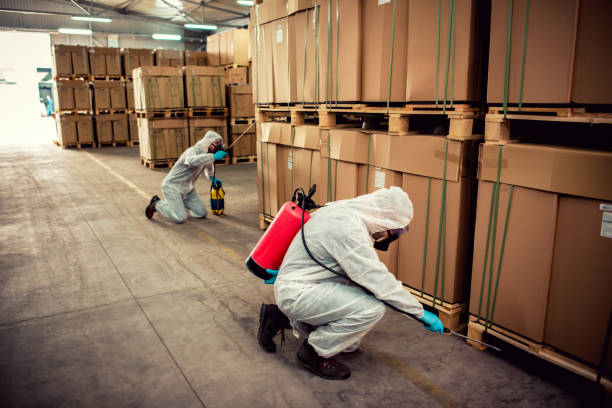
Biological Pest Control is a popular alternative to using pesticides. The biological method uses predators, like insects, to control pests. This method is safe and can help preserve the ecosystem. However, using pesticides can negatively impact natural predators, causing the pests to come back in force. To avoid this problem, farmers are looking for alternative pest control methods. Biological pest control is an excellent choice for heavy infestations of pests.Chemical Pesticides can have some advantages over biological methods, but are not suitable for every situation. They are generally slow-acting and require a long-term application. In addition, biological agents cannot control the natural enemies of pests within an ecosystem. Because of this, they may switch to other targets and decide to attack crops instead of insects. Furthermore, they can disrupt the natural food chain. For this reason, biological control is not recommended in most situations.Insecticides are often used as a means of pest control. Unlike biological methods, these chemicals are highly effective, but there are risks involved.
A pesticide must be applied at the appropriate level to kill it effectively. Pesticides must be applied with extreme caution and should not exceed the labeled concentration. Insecticides are generally more effective at killing the pest than inpreventing it. The use of organic pest control methods is increasingly popular as a way to minimize the negative effects of these chemicals.Many commercially available pesticides are deemed to be environmentally safe, but they are not a solution for every situation. They can contaminate soil, water, turf, and other vegetation. The chemical effect is limited and may not work for years. In addition, pesticides can cause other organisms to develop resistance to the chemicals. In other words, they can be harmful to beneficial insects and to plants, which makes them ineffective for controlling pests.The public health aspect of pest control is important. The World Health Organization states that many zoonotic diseases are transmitted in rural areas. In addition, the risk of infection increases as a house becomes more isolated from public amenities.
Moreover, those living in the inner city are often in areas with high levels of disease-bearing pests. So, it is important to ensure that pests are controlled inside the house and not allowed to spread.The use of biological pest control techniques is essential to keep pests from destroying your property. Biological pest control methods use predators to feed on pests, such as green lacewing larvae and aphids. Biological pathogens attack the pests during their larval and caterpillar stages. They can also cause secondary poisoning if they are used improperly. As long as you're using a non-toxic and organic method, you'll be safe.Chemical pesticides come in several forms. They are usually watered-down by an organic solvent. Soil-dwelling insecticides are more effective since they penetrate the soil. Fogging machines are commonly used by pest control experts. Biological pest control also works in conjunction with traditional methods to prevent and treat fungal diseases. Biological pest control is an excellent option for farms because it doesn't harm the environment and has a longer shelf life than chemical pesticides.
Member Spotlight
Solve Pest Pros
8936 Western Way Suite 8
Jacksonville,FL 32256
(904) 701-7500
https://solvepestpros.com/location-jacksonville/
https://goo.gl/maps/U7StvJaFQPjv9oZ76
Pest control jacksonville fl professionals can identify the exact pests and properly apply the appropriate chemicals to eliminate them. They can also help you avoid the risk of damaging your home with chemicals that may cause health problems.
Pest Control Business Round Up has the experience necessary to provide the highest quality Pest Control Services, and a professional staff that can handle many calls each day. Pest Control Business Round Up offers the latest technology, along with a high level of expertise. They also offer a variety of professional services, such as pest management, termite inspection, and inspections of commercial and residential structures.